Kentucky's Tractor Supply Story: A Statewide Network
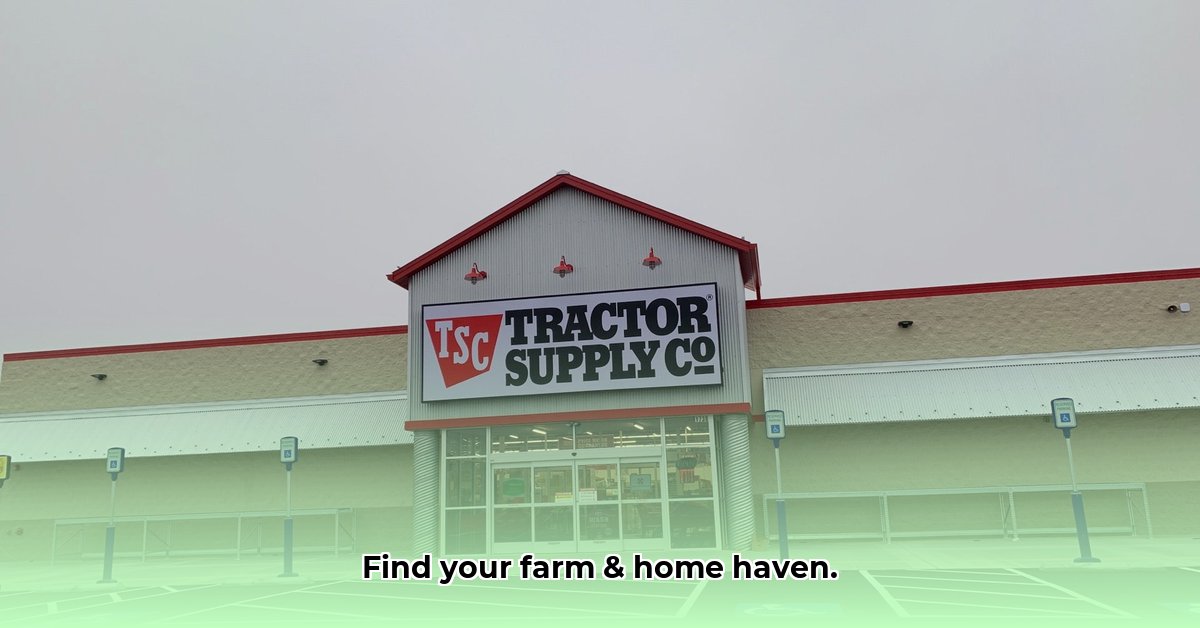
Tractor Supply Company (TSC) maintains a substantial presence across Kentucky, offering a wide range of products and services to farmers and rural residents. The Campbellsville store serves as a representative case study, illustrating both the opportunities and challenges faced by TSC in the Kentucky market. This analysis examines TSC's market penetration, service consistency, strategic location choices, and the potential for integrating sustainable agricultural practices. It also provides actionable insights for TSC management, Kentucky farmers and consumers, and local governments, alongside a risk assessment and discussion of regulatory considerations. For a local example, see this Cedar Springs store.
Kentucky's Tractor Supply Footprint: A Diverse Landscape
TSC's Kentucky footprint is extensive, yet inconsistent. While numerous stores demonstrate a significant market presence, the range of services offered varies considerably between locations. Some stores prioritize propane sales and equipment, while others focus on livestock supplies and pet products. This lack of standardization presents both a challenge and an opportunity. A geographically-mapped analysis of store locations would illuminate regional demand and inform strategic decisions about operational consistency. This inconsistency could be addressed via standardized service offerings across all locations. This approach can improve operational efficiency and customer satisfaction. Do all Kentucky TSC locations offer the same core services, maximizing their overall potential?
Embracing Sustainability: A Growing Market Opportunity
Currently, information regarding TSC's commitment to sustainable agriculture in Kentucky is limited. However, a strong market exists for environmentally conscious farming solutions. The potential for expansion in this area is significant. The integration of organic seeds, sustainable farming tools, and other eco-friendly products would attract a new customer base and enhance TSC's brand image. Detailed market research is needed to determine the specific demand and feasibility of incorporating such products into the existing supply chain. This would entail assessing consumer preferences, sourcing reliable sustainable suppliers, and integrating new product lines into existing store layouts. Does an increased focus on organic products and sustainable farming practices represent an untapped goldmine for TSC in Kentucky?
Actionable Insights: Strategies for Success
A multi-pronged approach, engaging stakeholders at various levels, is crucial for TSC's continued success in Kentucky.
1. For TSC Management:
- Short-Term (Within 1 Year): Standardize service offerings across all Kentucky stores based on proven success and profitability, adapting to regional variations where necessary. This increases efficiency and consistency.
- Long-Term (3-5 Years): Conduct thorough market research to identify the specific needs of Kentucky farmers and consumers concerning sustainable agriculture products. Introduce a comprehensive line of sustainable products and forge partnerships with local sustainable agriculture suppliers to source high-quality goods and support local economies. This enhances brand image and attracts a new customer segment.
2. For Kentucky Farmers and Consumers:
- Short-Term: Continue patronizing local TSC stores, supporting local economies and providing valuable feedback through surveys and direct communication.
- Long-Term: Actively communicate the demand for sustainable products to TSC, influencing their product selection and operational strategies.
3. For Local Governments:
- Short-Term: Collaborate with TSC on community projects, fostering mutually beneficial relationships and community development.
- Long-Term: Implement policies encouraging the adoption of sustainable agricultural practices by businesses like TSC, creating a supportive environment for both environmental responsibility and economic growth.
Risk Assessment Matrix: Proactive Mitigation Strategies
| Risk Factor | Likelihood | Impact | Mitigation Strategy |
|---|---|---|---|
| Inconsistent Service Offerings | Moderate | Moderate | Standardize offerings based on profitability and regional needs, leveraging data-driven decisions. |
| Lack of Sustainable Products | High | High | Conduct thorough market research; introduce eco-friendly products and establish relationships with sustainable suppliers. |
| Competition from Other Retailers | Moderate | Moderate | Enhance customer loyalty programs; offer unique services to differentiate TSC. |
| Economic Downturn | Moderate | High | Diversify revenue streams; optimize costs; build strong customer relationships. |
Regulatory Compliance: Navigating the Legal Landscape
Strict adherence to Kentucky's regulations is paramount. This includes environmental protection, handling of agricultural chemicals, and labor laws. Proactive compliance through regular reviews and legal counsel is essential to avoid penalties and reputational damage. Does TSC have a robust internal compliance system in place to meet these evolving regulations?
Conclusion: A Path Towards Sustainable Growth in Kentucky
TSC's long-term success in Kentucky hinges on its ability to address service inconsistencies, embrace sustainable agriculture practices, and proactively manage various risks. By engaging with local communities, implementing data-driven operational strategies, and prioritizing regulatory compliance, TSC can solidify its market position and contribute to the state's economic and environmental well-being. The future of Tractor Supply in Kentucky holds considerable potential for growth and positive impact.